Why Food Photography Is Your Most Powerful Marketing Tool
Before a diner tastes your food, they see it. And in the era of digital restaurant discovery, they see it not in your dining room but on a screen — on your ChowSpots listing, on Instagram, on your menu page, on Google's knowledge panel. Their decision about whether to visit you or choose a competitor is made, in large part, based on whether what they see makes them hungry.
This is why food photography is the single highest-leverage marketing investment available to most restaurant owners. A well-shot image of your signature dish does more persuasive work in two seconds than a paragraph of menu description does in thirty. It bypasses language, logic, and price sensitivity and goes straight to appetite.
Google's own research confirms this: restaurants with photo-rich listings on discovery platforms receive significantly more direction requests, phone calls, and website visits than those without. Menus with photos of dishes see those dishes ordered more frequently. Instagram posts featuring beautifully shot food consistently outperform text or lifestyle-only content in engagement and reach.
You don't need a professional photographer and a $5,000 equipment budget to get started. You need to understand the principles that make food look irresistible in photographs — and then apply them consistently to every piece of visual content your restaurant puts into the world.
The Four Principles of Irresistible Food Photography
1. Light Is Everything
Lighting is the single most important variable in food photography — more important than your phone versus a professional camera, more important than your plating, more important than any editing you do afterward. Bad light makes beautiful food look unappetizing. Good light makes simple food look extraordinary.
The best light for food photography is natural, indirect light — the kind that comes from a large window on an overcast day. This light is soft, even, and flattering. It reveals the texture of food without creating harsh shadows that make dishes look flat or unappealing.
Practical lighting tips for restaurant owners:
- Identify the best natural light location in your restaurant — typically a table near a large north-facing window, or near any window on an overcast day
- Schedule your photography sessions for mid-morning or mid-afternoon when direct sunlight isn't streaming straight through your windows
- Avoid using your restaurant's ambient lighting (warm overhead incandescents or restaurant track lighting) as your primary light source for photography — these create color casts and unflattering shadows
- If you're shooting with your phone, look for the "portrait" mode, which creates a shallow depth of field that makes foreground food sharp and background elements pleasantly blurred
- A simple, inexpensive LED panel light (available for $30 to $80) placed to the side of your dish can replicate window light when natural light isn't available
2. Composition Determines What the Eye Sees
Composition is how you arrange the elements in your frame to tell a visual story. In food photography, composition determines whether a photo looks like an amateurish snapshot or a deliberate, appetizing image.
The most effective compositions for restaurant food photography:
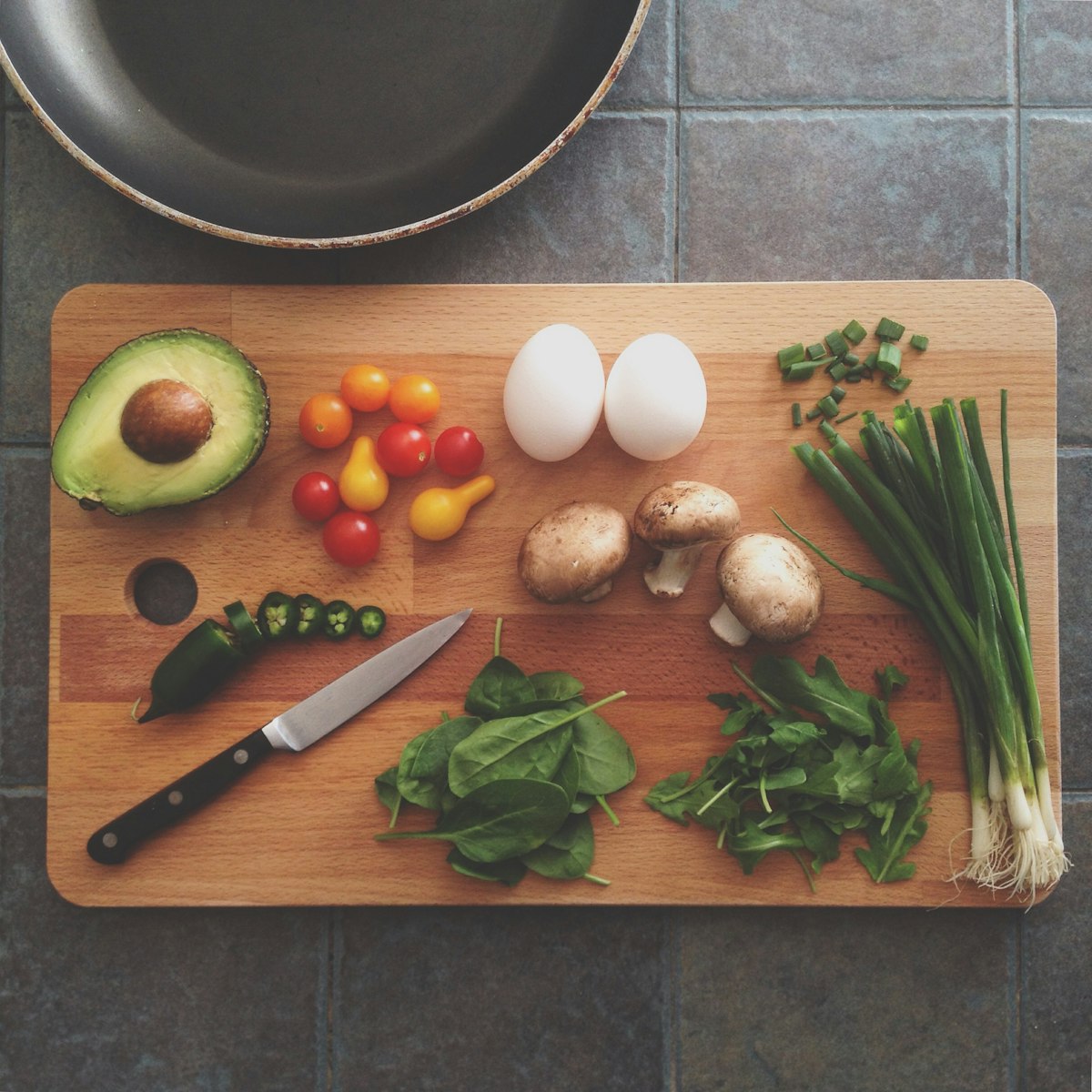
- Overhead (flat lay). Shooting directly down at your dish is ideal for foods that have visual interest from above — salads, grain bowls, pizzas, charcuterie boards, tacos, and anything with colorful toppings. Overhead shots work beautifully because they fit naturally in square social media formats and reveal the full beauty of a composed plate.
- 45-degree angle. The most versatile angle for most dishes. It gives a sense of depth and dimension that overhead doesn't — you can see the height of a burger, the layers of a cake, the steam rising from a soup. This angle mimics how a diner actually looks at their food when it's set in front of them.
- Eye level (side-on). Best for dishes with dramatic height — a towering burger, a perfectly sliced cake, a stacked taco. Side-on shots make tall dishes look heroic and impressive.
- The rule of thirds. Place your main subject slightly off-center — at the intersection of imaginary horizontal and vertical lines that divide the frame into thirds. Center-framed food photography often looks static; the rule of thirds creates natural dynamism and visual interest.
- Negative space. Don't fill your entire frame with food. Leave some empty space — a clean table surface, a textured linen, an unfocused background. Negative space draws the eye to your subject and gives the composition room to breathe.
3. Props and Surfaces Set the Mood
The surfaces, linens, utensils, and props in your photos communicate your restaurant's personality before the diner reads a single word about you. A rustic wooden board, a wrinkled linen napkin, and a simple cast iron pan suggest warmth, craft, and informality. A sleek marble surface, polished silverware, and a geometric ceramic bowl suggest elegance and precision.
Neither is better than the other — they just communicate different things. The question is whether your props communicate the same story your restaurant tells in person. Consistency between your visual presentation and your actual dining experience is what builds trust.
A starter kit of food photography props doesn't need to be expensive. You need:
- Two or three surface textures that fit your brand — a wooden board, a marble tile, a neutral linen
- A handful of genuine textural elements that can appear naturally in the frame — herbs, spice jars, olive oil bottles, a cheese knife, a small ceramic bowl of salt
- Plates and bowls from your actual service — consistency with what diners see in person matters
- A few linen napkins in neutral, complementary colors
The most important rule for props: they should support the food, not compete with it. Your dish is the star. Props are the supporting cast.
4. Editing Enhances What's Already There
Editing can transform a good food photo into a great one, but it can't rescue a poorly lit, poorly composed, poorly plated image. Think of editing as the final polish, not the foundation.
For most restaurant food photography, a few simple editing adjustments are all you need:
- Exposure. Bright food photography tends to be more appetizing than dark. Slightly overexposing food photos (making them slightly brighter than what your eyes see) is a common professional technique.
- White balance. Correct any color cast from artificial lighting. Your yellows should be golden, your whites should be clean, and your greens should be fresh and vibrant.
- Contrast and clarity. Increase contrast slightly to make the image pop. Clarity — a mid-range sharpening adjustment — adds texture detail that makes food look tactile and real.
- Saturation. Increase selectively — boost greens and reds slightly to make produce and proteins look more vivid. Avoid oversaturating to the point where the food looks artificial.
Free mobile apps like Lightroom Mobile, Snapseed, and VSCO offer all the editing tools you need. Lightroom Mobile's preset system allows you to create a consistent look across all your photos — essential for building a cohesive brand aesthetic across your Instagram feed and listings.
What to Photograph: Building a Complete Visual Library
A strong visual library for your restaurant covers more than just hero shots of your most photogenic dishes. Here's the complete set of photos every restaurant should have and keep updated:
Menu Photography
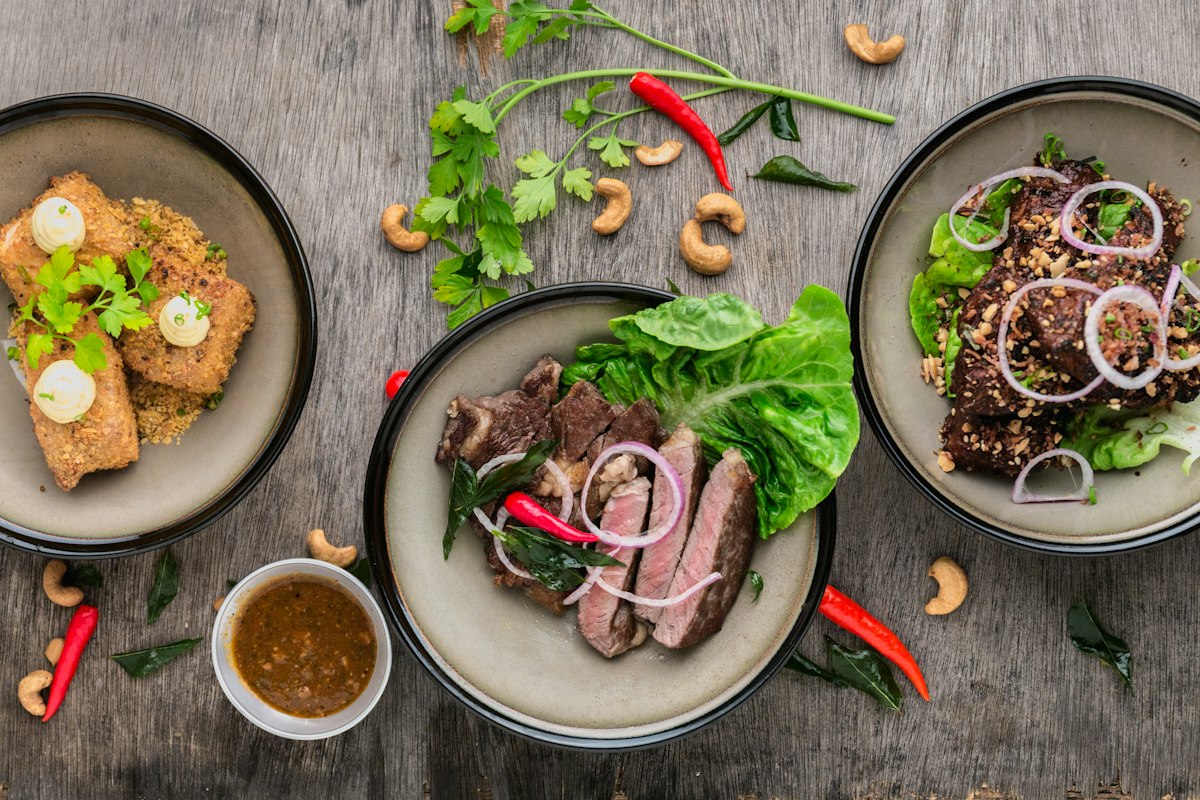
Ideally, every dish on your menu should have at least one high-quality photo. Focus first on your bestsellers, your highest-margin items, and your signature dishes. Research consistently shows that menu items with photos are ordered significantly more frequently than items without — in some studies, 30% more frequently.
Restaurant Atmosphere
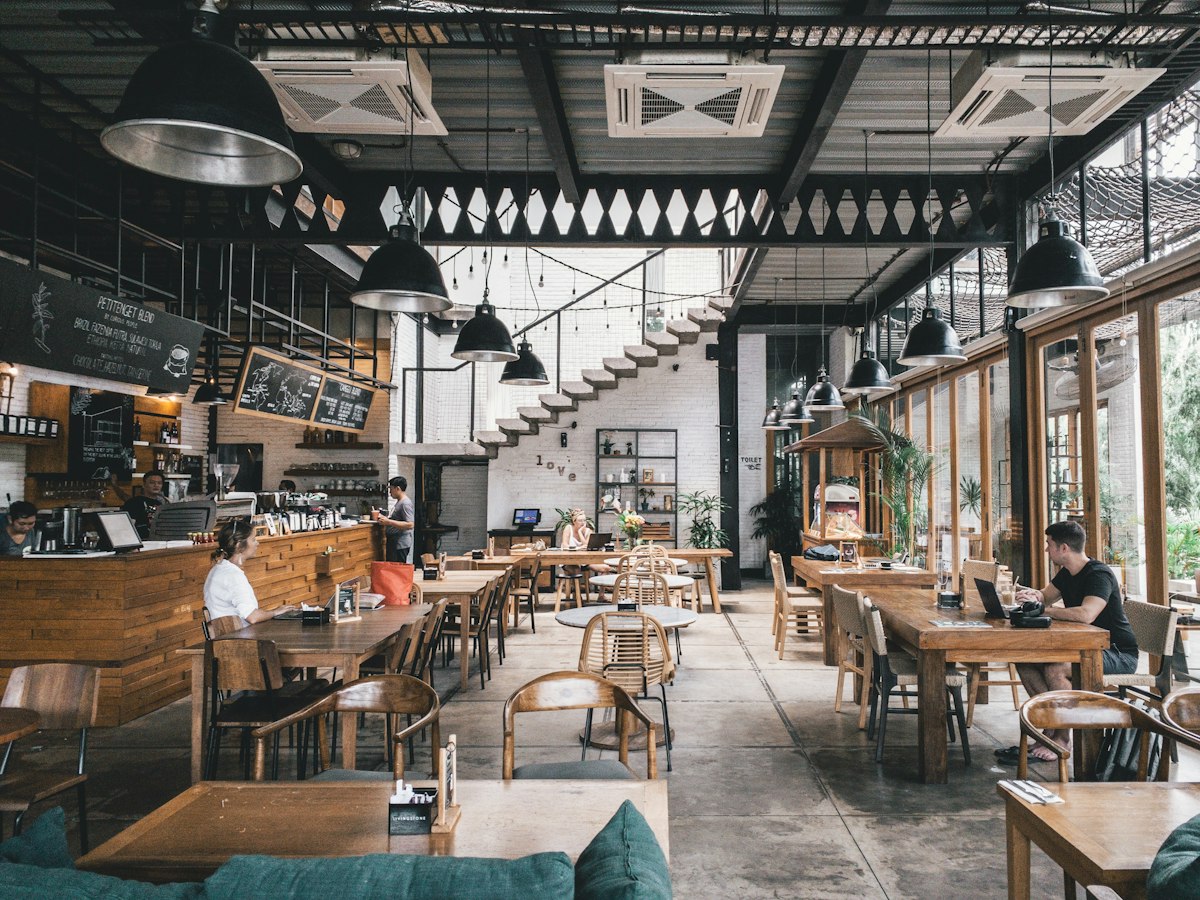
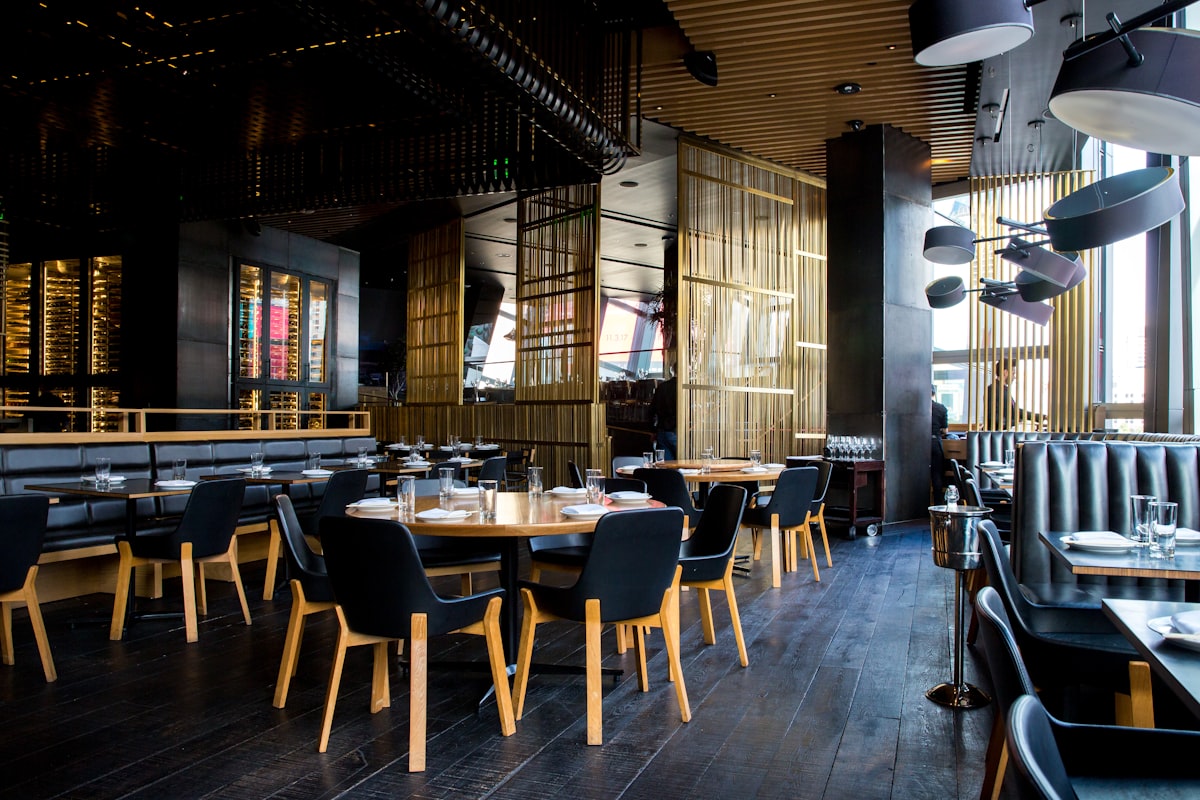
Interior shots during service hours — with natural ambient lighting, tables set, and ideally a sense of guests enjoying themselves without faces clearly identifiable — communicate your restaurant's energy far more effectively than empty-room shots taken in the afternoon. Take both: bright daytime shots for showing your space and ambiance shots that capture the evening atmosphere.
Exterior
Your exterior is often a diner's first visual impression of your physical location. A clear, well-lit exterior shot showing your signage, your entrance, and if possible some of the surrounding neighborhood context is essential for any listing or map result.
Team and Kitchen
Candid shots of your chef plating a dish, your bartender crafting a cocktail, your team during prep — these humanize your restaurant and create emotional connection. You don't need posed portraits; genuine moments of craft and concentration are more compelling.
Seasonal and Special Content
Every time you introduce a new seasonal menu item, shoot it before service. When you have an event — a wine dinner, a holiday menu, a tasting — photograph it. This keeps your visual library current and gives you a constant stream of fresh content for social media and your listings.
Where to Use Your Photos for Maximum Impact
Great photos are only as valuable as the places they're deployed. Here are the highest-impact locations for your restaurant's photography:
- ChowSpots listing: Your cover photo is the single most important image you own. It's the first thing diners see when they encounter your listing. Use your very best shot — the dish or atmosphere image that best represents what your restaurant is about.
- Google Business Profile: Upload photos regularly. Google rewards active profiles, and listings with fresh photos consistently outrank those that haven't been updated.
- Your website menu page: Photos alongside menu descriptions dramatically increase order intent and session time on your site.
- Instagram: Your Instagram grid is effectively a visual menu. Maintain a consistent aesthetic — consistent editing, consistent color palette, consistent compositional style — so that someone landing on your profile for the first time immediately understands your restaurant's personality.
- Email newsletters: A single compelling food photo at the top of your newsletter dramatically increases open engagement and click-through rates.
- Facebook: Photo posts consistently outperform text posts for restaurants on Facebook, and native Facebook photo albums of events, new menus, or behind-the-scenes content drive genuine engagement from your local community.
When to Hire a Professional Food Photographer
Smartphone photography, when done well, can produce images competitive with professional work for social media and daily content needs. But there are moments when a professional food photographer pays for themselves many times over:
- When launching a new restaurant or major concept rebrand
- When redesigning your website
- When launching a new menu season (spring, fall) that you plan to promote heavily
- For any paid advertising or print material where image quality directly affects conversion
- For your primary hero shot on discovery platform listings
A good food photographer in most markets charges $500 to $1,500 for a half-day shoot that produces 20 to 40 polished images. Spread across the 6 to 12 months those images are in use, that's a remarkably cost-effective investment for the most persuasive marketing tool your restaurant owns.
When briefing a food photographer, be specific about what you need, which dishes to prioritize, the mood and style you want to achieve, and the platforms where the images will be used. The more context you give, the more aligned the results will be with your brand.
The Visual First Impression: Make It Count
Every time a potential guest encounters your restaurant online — on ChowSpots, on Google, on Instagram, in an email — a visual decision is made in less than a second. Before they read your name, before they look at your reviews, before they check your prices, they respond to what they see.
That split-second response — hunger, curiosity, or nothing — is determined almost entirely by the quality of your photography. The restaurants that understand this invest in their visual presence continuously, systematically, and with genuine creative attention.
You don't need to be a photographer to start getting this right. You need to understand the principles of light, composition, and consistency — and then show up, repeatedly, with your phone in hand and a willingness to learn from what works.
Your food is good enough to make people hungry from across a screen. Make sure they can see it.